May 25, 2026
Crawl Depth vs Crawl Budget Explained
When it comes to technical SEO, two concepts often create confusion among website owners and marketers: crawl depth and crawl budget. While they are closely connected, they serve very different purposes in determining how search engines discover, crawl, and index your website.
Understanding the difference between crawl depth and crawl budget is essential for improving your website's visibility in search results. If search engine bots cannot efficiently access and index your pages, even the best content may struggle to rank.
Here we’ll break down both concepts, explain how they impact SEO performance, and share actionable strategies to optimize your website for better crawl efficiency and indexing.
What Is Crawl Depth?
Crawl depth refers to the number of clicks it takes for users or search engine bots to reach a page from the homepage.
For example:
Homepage - Category Page - Blog Post = Crawl Depth of 2
Homepage - Services - SEO - Technical SEO - Blog = Crawl Depth of 4
The deeper a page is within your website structure, the harder it may be for search engines to discover and prioritize it.
Why Crawl Depth Matters?
Search engines like Google allocate more importance to pages that are easier to access. Pages buried too deep within the site architecture may:
Receive less crawl attention
Take longer to get indexed
Lose link equity
Experience weaker rankings
A shallow website architecture improves both SEO and user experience.
What Is a Crawl Budget?
Crawl budget is the number of pages a search engine crawler is willing and able to crawl on your website during a specific timeframe. Google determines crawl budget based on factors such as:
Website authority
Server performance
Website size
Internal linking structure
Crawl demand
For large websites, the crawl budget becomes extremely important because search engines may not crawl every page regularly.
Key Components of Crawl Budget
1. Crawl Capacity Limit
This is the maximum number of URLs Googlebot can crawl without overloading your server.
2. Crawl Demand
This depends on how valuable and fresh Google considers your content. Pages updated frequently often receive higher crawl demand.
Crawl Depth vs Crawl Budget: Key Differences
Factor | Crawl Depth | Crawl Budget |
Definition | Number of clicks needed to reach a page | Number of pages search engines crawl |
Focus | Site structure | Crawling efficiency |
Impact | Accessibility of pages | Indexation frequency |
Controlled By | Internal linking & architecture | Technical SEO & authority |
Important For | All websites | Large websites |
Although different, both concepts work together to influence your site's visibility.
How Crawl Depth Affects SEO
1. Reduced Indexation
Pages hidden deep within the website may not get indexed quickly because crawlers prioritize easily accessible pages.
2. Lower Link Equity Distribution
Internal links pass authority throughout a website. Deep pages receive less authority if they are too many clicks away from the homepage.
3. Poor User Experience
Users may struggle to find important information, increasing bounce rates and reducing engagement.
4. Delayed Content Discovery
Search engines may take longer to discover newly published content if it is deeply nested.
How Crawl Budget Impacts SEO
1. Important Pages May Be Ignored
When Googlebot spends too much time crawling unnecessary or low-value URLs, your most important pages may not get crawled or indexed frequently. This becomes a major issue for large websites, especially ecommerce stores and websites using programmatic SEO.
Imagine an online fashion store with: 10,000 product pages. Filter URLs for size, color, brand, price, and sorting, and automatically generated URLs like:
/shoes?color=black/shoes?size=10/shoes?sort=low-to-high
Google may waste crawl resources on thousands of filter combinations instead of focusing on:
High-converting product pages
Category pages
Newly launched collections
As a result:
Important products may not get indexed quickly
Seasonal pages may miss ranking opportunities
Updated inventory may not appear in search results on time
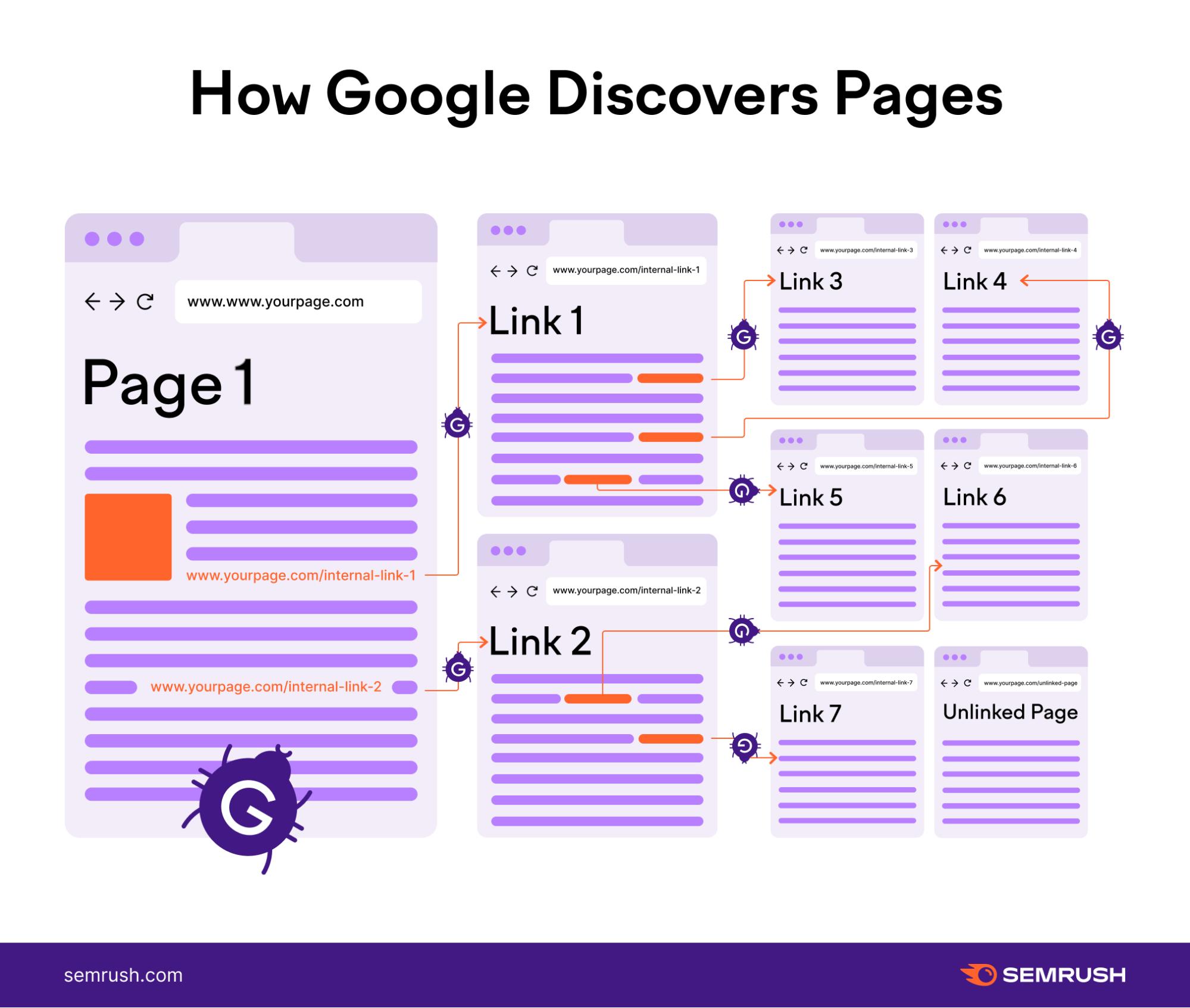
If many pages contain thin or repetitive content, Google may reduce crawl frequency because it sees low overall value. This means even your best-performing pages may receive less crawl attention.
2. Slow Updates in Search Results
Search engines need to recrawl pages before updates appear in SERPs. Poor crawl budget allocation slows this process significantly.
Suppose an ecommerce website updates:
Product prices
Stock availability
Discount banners
Product descriptions
If Googlebot cannot crawl updated pages quickly:
Outdated prices may appear in search results
Out-of-stock products may still rank
Promotional pages may miss peak sales periods
For example, during Black Friday, delayed crawling can directly impact traffic and conversions.
3. Duplicate Content Problems
Duplicate or near-duplicate pages consume crawl budgets unnecessarily and make it harder for Google to identify the most important URLs.
For example:
/apartments-in-dallas/best-apartments-in-dallas/luxury-apartments-in-dallas
Although these URLs show nearly identical content, Google may crawl each version separately, wasting crawl resources.
4. Index Bloat
Index bloat happens when search engines index too many low-value or unnecessary pages. This reduces overall crawl efficiency and can dilute your site's SEO strength.
If thousands of such pages get indexed, Googlebot spends time crawling irrelevant URLs instead of valuable commercial pages.
For large ecommerce and programmatic SEO websites, managing crawl budget is no longer optional, it's a core technical SEO requirement.
Signs Your Website Has Crawl Issues
Here are common indicators that your website may have crawl depth or crawl budget problems:
Important pages are not indexed
Slow indexing of new content
Large number of excluded pages in Google Search Console
Excessive crawl errors
Orphan pages with no internal links
High number of duplicate pages
Monitoring these signals helps maintain a healthy technical SEO structure.
Best Practices to Optimize Crawl Depth
1. Build a Flat Site Architecture
Keep important pages within 3 clicks from the homepage whenever possible. Example Structure:
Homepage
Category
Subcategory
Content Page
A flatter structure improves crawl accessibility.
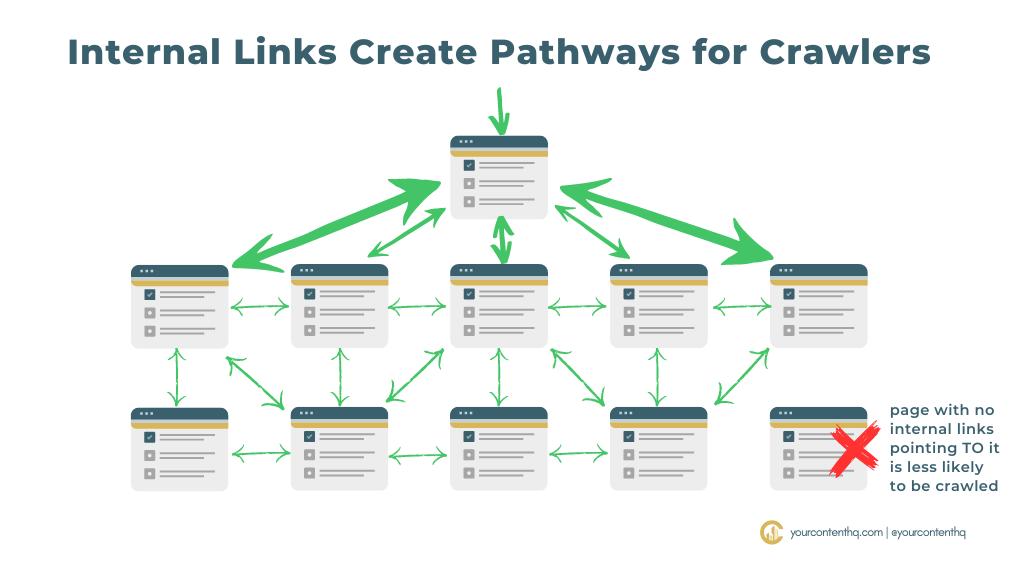
2. Improve Internal Linking
Internal links guide crawlers through your website. Best practices include:
Linking related content
Using descriptive anchor text
Adding contextual links naturally
Creating hub pages
Strong internal linking reduces crawl depth significantly.
3. Use Breadcrumb Navigation
Breadcrumbs help both users and crawlers understand website hierarchy.
Example:
Home > Blog > Technical SEO > Crawl Budget
This improves navigation and SEO clarity.
4. Create HTML and XML Sitemaps
Sitemaps help search engines discover important pages quickly. XML sitemaps are especially useful for:
Large websites
Ecommerce stores
News websites
Dynamic websites
Read More:
Best Practices to Optimize Crawl Budget
1. Remove Low-Value Pages
Thin or duplicate pages waste crawl resources. Consider:
Removing outdated pages
Consolidating duplicate content
Using canonical tags
2. Improve Website Speed
Faster websites allow Googlebot to crawl more pages efficiently. Speed optimization strategies:
Compress images
Use caching
Minify CSS and JavaScript
Upgrade hosting
3. Fix Crawl Errors
Broken links and server errors negatively impact crawl efficiency. Common errors include:
404 pages
Redirect loops
5xx server issues
Regular technical audits are essential.
4. Optimize Robots.txt
Use robots.txt carefully to prevent crawling of unnecessary sections such as:
Admin pages
Filter parameters
Duplicate URLs
This preserves crawl resources for important pages.
Common things in Crawl Depth and Crawl Budget
Crawl depth and crawl budget are deeply interconnected.
When pages are buried too deep:
Crawlers spend more resources discovering them
Crawl efficiency decreases
Important pages may be crawled less frequently
Reducing crawl depth helps search engines use crawl budget more effectively. In simple terms:
Better structure = Better crawl efficiency
Better crawl efficiency = Better indexing potential
Tools to Analyze Crawl Depth and Crawl Budget
Google Search Console
Provides:
Crawl stats
Indexing reports
Coverage issues
Screaming Frog SEO Spider
Useful for:
Crawl depth analysis
Broken links
Redirect audits
Internal linking analysis
Common Crawl Optimization Mistakes
Avoid these technical SEO mistakes:
Excessive pagination
Infinite URL parameters
Weak internal linking
Broken navigation
Overuse of noindex tags
Unoptimized faceted navigation
These issues can seriously reduce crawl efficiency. As websites grow larger and search engines become smarter, crawl optimization will continue evolving.
SEO from 2026 will focus on:
Content prioritization
Efficient architecture
Semantic internal linking
AI-driven indexing systems
Websites that maintain strong technical foundations will gain a competitive SEO advantage.
Conclusion
Understanding the difference between crawl depth and crawl budget is crucial for building a technically optimized website.
Crawl depth focuses on how easily pages can be reached, while crawl budget determines how efficiently search engines crawl your website. Both directly influence indexing, visibility, and overall SEO performance.
By improving internal linking, simplifying site architecture, fixing technical errors, and optimizing crawl efficiency, businesses can ensure search engines prioritize their most valuable content.
For brands looking to improve technical SEO performance, Cubikey Media helps businesses create search-friendly websites that drive better indexing, rankings, and organic growth.
Frequently Asked Questions
What is the ideal crawl depth for SEO?
Important pages should ideally be within 3 clicks from the homepage. A shallow website structure helps search engine bots discover content faster and improves the flow of internal link authority. It also enhances user experience by making important pages easier to access and navigate.
Does crawl budget matter for small websites?
For smaller websites, crawl budget is usually less of a concern because search engines can crawl all pages easily. However, technical issues like duplicate pages, broken links, or poor internal linking can still affect crawl efficiency and slow down indexing over time.
How can I improve my crawl budget?
Improve website speed, fix errors, remove duplicate pages, and optimize internal linking. You should also block unnecessary URLs through robots.txt, use canonical tags correctly, and maintain a clean XML sitemap so search engines focus only on your most valuable pages.
What causes poor crawl depth?
Poor site architecture, weak navigation, and lack of internal links are major causes. Pages buried too deep within categories or disconnected from the main navigation become harder for search engines to discover, reducing their chances of being crawled and indexed efficiently.
Can crawl depth affect rankings?
Yes. Pages buried deep within the site structure may receive less authority and crawl attention. Since search engines prioritize easily accessible pages, deeper pages often struggle to rank well, especially if they have limited internal links pointing toward them.
How often does Google crawl websites?
It depends on website authority, freshness, and crawl demand. Popular sites with regularly updated content are crawled more frequently, while smaller or inactive websites may be crawled less often. Technical SEO improvements can help encourage faster and more consistent crawling.